
When exploring the question "What is Binance exchange like?", traders and investors often seek a comprehensive understanding of its functionality, security, and overall user experience. Binance has established itself as a dominant force in the cryptocurrency landscape, but its reputation is a blend of innovation, regulatory challenges, and a vast array of services.
First and foremost, Binance offers one of the largest trading volumes in the world. This high liquidity means that users can execute trades quickly, often with minimal slippage. For both retail and institutional traders, this is a critical factor. The platform supports a staggering number of cryptocurrencies, ranging from major coins like Bitcoin and Ethereum to thousands of smaller altcoins. This extensive selection is a primary reason many users choose Binance over other exchanges.
From a fee structure perspective, Binance is generally considered competitive. Its spot trading fees are low, and they can be reduced further by using the native BNB token or by reaching higher trading volume tiers. This cost-effectiveness is a significant draw for high-frequency traders and those executing large orders. Additionally, the exchange provides advanced trading tools, including futures, options, margin trading, and staking services. These features allow users to implement sophisticated strategies, but they also introduce higher risks, particularly for inexperienced traders.
Security is a paramount concern for any exchange, and Binance has had a mixed history. In the past, the platform experienced a major security breach (in 2019) that resulted in the loss of 7,000 BTC. However, the exchange quickly reimbursed affected users and has since invested heavily in security infrastructure. This includes a Secure Asset Fund for Users (SAFU), which is an emergency insurance fund designed to protect user funds in extreme scenarios. While the exchange has tightened its security protocols, the sheer scale of its operations makes it a constant target for malicious actors.
Regulatory compliance is another aspect that heavily influences the Binance experience. The exchange has faced scrutiny from regulatory bodies in multiple countries, including the United States, the United Kingdom, and Japan. In response, Binance has implemented stricter Know Your Customer (KYC) verification processes and has restricted services in certain jurisdictions. For users, this means that the available features and levels of access can vary significantly based on their geographic location. Some users may find the KYC requirements intrusive, while others view them as a necessary step towards legitimacy and security.
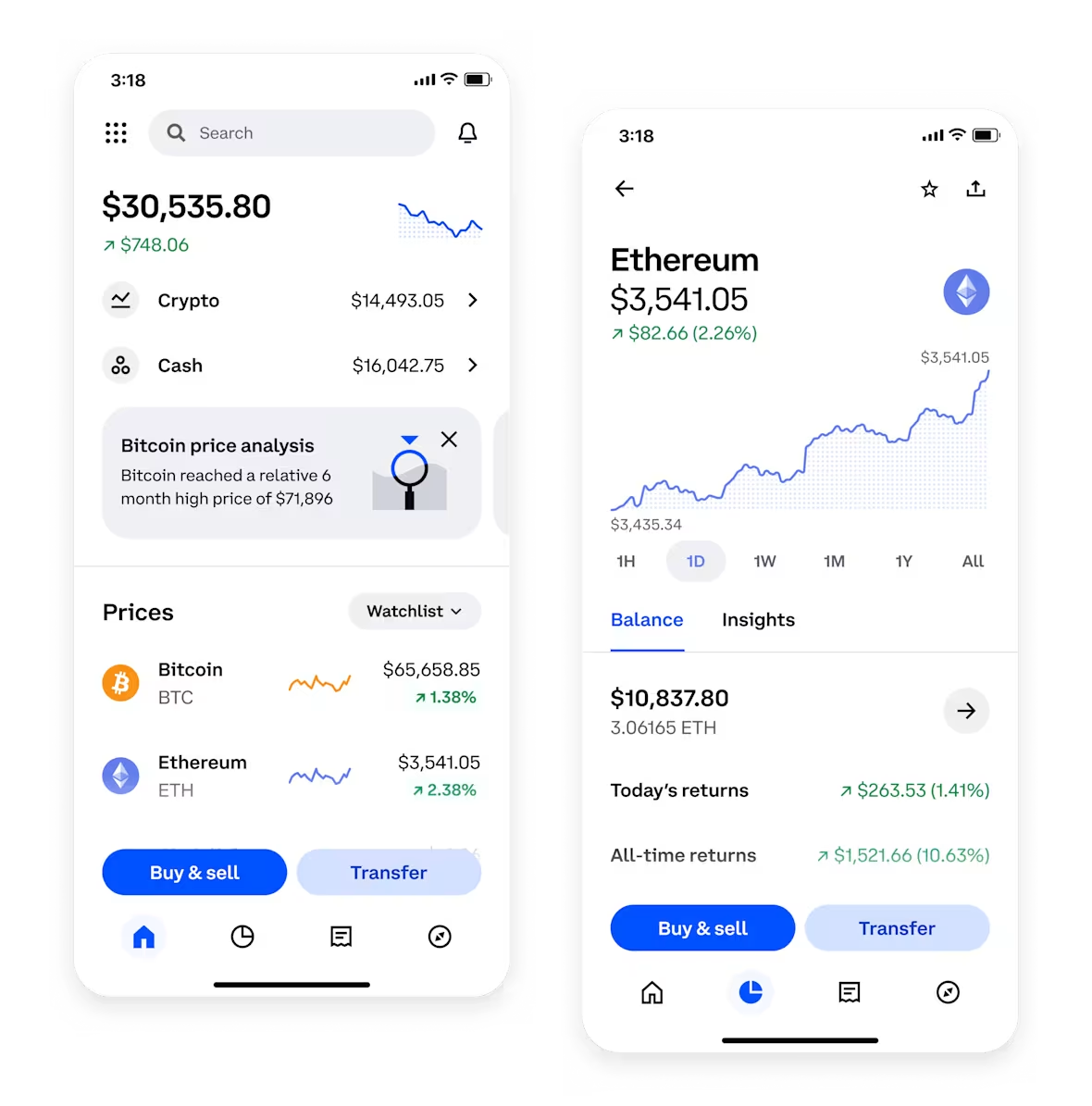
The user interface of Binance is generally praised for its depth, though it can be intimidating for beginners. The platform offers both a "Lite" mode for simple buying and selling and a "Pro" mode with a full suite of charting tools, order books, and technical analysis indicators. The mobile app is also robust, providing near-complete functionality on the go. Customer support, however, has been a common pain point. Due to the massive user base, response times can be slow, and resolving complex issues sometimes requires persistence.
In summary, Binance is a powerful, high-liquidity exchange that offers an unrivaled selection of coins and trading tools at low fees. It is best suited for experienced traders who can navigate its complexity and regulatory nuances. For new users, the platform requires a learning curve and a thorough understanding of its security protocols. While not perfect—especially regarding regulatory friction and support delays—Binance remains a cornerstone of the crypto trading ecosystem for those seeking a full-featured global platform.